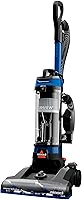
Stick Vacuums Explained: A Plain Guide for Your Home
A stick vacuum is a slim, lightweight floor cleaner designed for everyday pickups on floors and, with some models, furniture and stairs. Cordless versions run on a rechargeable battery; corded ones stay plugged in while you clean.
On this page (11 sections)
- What is a stick vacuum?
- How does a stick vacuum work?
- What parts matter most?
- What types of stick vacuum are available?
- Are stick vacuums good for everyday cleaning?
- Can a stick vacuum clean carpet and hard floors?
- How do you choose a stick vacuum for pet hair?
- What are the main trade-offs?
- What should you check before buying a stick vacuum?
- Which stick vacuum style fits your home?
- Are stick vacuums worth considering?
A stick vacuum is a slim floor cleaner for routine pickups, often with a long wand and a compact cleaning head. Many models are cordless and convert to handheld vacuums, which can help when you need to clean stairs, furniture, or tight spots.
The format can be easier to store and carry than a full-size upright, but it comes with trade-offs. Battery life, bin size, floor head, and included tools all affect how well a model fits your home.
This guide explains how stick vacuums work, what their parts do, and how to decide whether one fits your rooms. For a focused checklist, see what to look for in a stick vacuum.
What is a stick vacuum?
A stick vacuum is a floor vacuum built around a narrow wand and compact head. The motor and dust bin may sit near the handle or lower on the body, depending on the design.
Some models plug into an outlet, while cordless models use rechargeable batteries. Many cordless models detach from the wand and work as handheld vacuums, though the conversion method and included tools differ.
The name describes the shape, not a guarantee about power or floor performance. A stick vacuum may suit hard floors and area rugs, while carpet cleaning depends on its head and brush roll.
How does a stick vacuum work?
A stick vacuum uses a motor to draw air and debris into a dust cup or bag, while a floor head guides the pickup across the surface. The motor, airflow path, brush roll, filter, and dust cup each affect a different part of the job.
The powered head can use a brush roll to lift debris from carpet fibers. Some brush rolls also work on hard floors, but a spinning brush can scatter debris or be unsuitable for delicate surfaces, so check the model's floor guidance.
Filters capture particles from the air passing through the vacuum. Dust cups collect debris and need regular emptying; washable or replaceable filters need care according to the manufacturer's instructions.
What parts matter most?
The floor head, battery or cord, dust cup, filter, and attachments shape everyday use. Compare these parts with the rooms and messes you clean most often.
| Part | What it does | What to check |
|---|---|---|
| Floor head | Moves over floors and directs debris toward the intake | Whether it is intended for your carpet, rugs, and hard floors |
| Brush roll | Helps lift debris from carpet and other surfaces | Whether it can be turned off or cleaned easily |
| Battery or cord | Powers the vacuum | Runtime by mode, charging needs, or cord reach |
| Dust cup | Holds collected debris | Capacity and how it empties |
| Filter | Captures particles from airflow | Care instructions and replacement needs |
| Handheld unit and tools | Reach furniture, stairs, edges, and smaller spaces | Which pieces are included |
A model's advertised runtime may refer to a specific power mode or attachment. For example, Shark describes the IX141's up-to-40-minute runtime as measured at the handheld vacuum in standard mode, while Levoit gives different times for different modes and setups.
What types of stick vacuum are available?
Stick vacuums are commonly cordless or corded, with some cordless designs converting to handheld use. The right type depends on how far you need to clean and how often you want to recharge.
| Type | Useful when | Check before choosing |
|---|---|---|
| Cordless stick | You want to move between rooms without changing outlets | Runtime by mode, charging time, and battery replacement options |
| Corded stick | You want to clean without planning around battery charge | Cord length, outlet access, and storage |
| Convertible stick | You want one unit for floors and some above-floor cleaning | How it converts and which tools come with it |
A cordless vacuum is convenient when outlets are awkward or you need to move between floors. Its available cleaning time can change with power mode and the cleaning head, so compare the conditions behind runtime claims.
A corded model avoids battery charging, but the cord limits how far you can work from an outlet. If you are weighing those formats, read stick vacuum vs regular vacuum.
Are stick vacuums good for everyday cleaning?
A stick vacuum can suit small to medium daily messes, such as crumbs, dust, and pet hair on the floors it is designed to clean. Its slim body and quick setup can make it easier to grab for a short pickup.
A compact dust cup means you may need to empty it more often than a larger vacuum. Cordless models also require charging, and their strongest mode may use battery power faster than a lower setting.
Think about your normal cleaning session, not just a quick pass over one room. If you clean several floors, have thick carpet, or pick up large amounts of debris, check whether the runtime and dust cup can keep up.
For fur on upholstery and floors, compare options in best stick vacuums for pet hair.
Can a stick vacuum clean carpet and hard floors?
Some stick vacuums are designed for both carpet and hard floors, but the floor head and brush roll determine how well a model suits each surface. A brush roll can help lift debris from carpet, while delicate floors may need a gentler setting or a different head.
Check the manufacturer's floor guidance before using a model on a delicate finish. For high-pile carpet, a low-profile head may not be enough; the carpet's depth and the vacuum's guidance matter.
The Shark IX141 is described for carpets, rugs, and bare floors, with a bristle brush roll. Dyson says the V8 Motorbar cleaner head deep cleans all floor types and de-tangles wrapped long hair and pet hair as it cleans.
For more detail, see whether stick vacuums are good for carpet and our guide to one stick vacuum for hardwood and carpet.
How do you choose a stick vacuum for pet hair?
Choose a stick vacuum for pet hair by checking the brush roll, upholstery tool, floor compatibility, and emptying routine. Hair on a carpet and hair caught in a sofa need different tools and access.
A pet tool can help lift fur from furniture, while a brush roll designed to resist tangles may reduce hair cleanup around the roller. Those features don't tell you how a vacuum will perform on every type of fur or fabric, so compare the intended use and care instructions.
The Bissell PowerClean FurFinder 4052 includes a FurFinder Upholstery Tool and is designed for pet hair. Bissell says its FurFinder Tool removes up to 95% of embedded pet hair from upholstery 2 times faster under its stated comparison conditions.
For a model with an anti-tangle brush, the Levoit LVAC-200 is designed to handle hair with less wrap. Its maker gives different runtimes by mode, including up to 30 minutes with the vacuum head and 12 minutes in Turbo mode.
What are the main trade-offs?
A stick vacuum offers easy carrying and compact storage, while a smaller dust cup and limited battery runtime can mean more interruptions. Those trade-offs matter more as your home, carpet, or cleaning sessions get larger.
| Advantage | Trade-off |
|---|---|
| Slim body can fit narrow storage spaces | A wall mount or charging spot may still be needed |
| Cordless models move between rooms freely | Runtime depends on mode and attachment |
| Many models convert to handheld vacuums | Conversion and tools vary by model |
| Compact head can fit under some furniture | Height and reach depend on the design |
| Smaller body can feel easier to carry | Dust cup may need frequent emptying |
A stick vacuum is not automatically a substitute for every full-size vacuum. Compare your rooms and cleaning habits with the model's floor guidance, bin size, runtime, and maintenance needs.
If you are deciding between different vacuum shapes, stick vacuum vs canister vacuum lays out the main differences. For a home where standing storage matters, see best self-standing cordless vacuums.
What should you check before buying a stick vacuum?
Before buying, confirm the floor head fits your floors, the runtime fits your cleaning sessions, and the vacuum has the tools you need. These checks help rule out a poor match before comparing brand names.
- List your surfaces. Note carpet type, rugs, hard floors, and any delicate finishes.
- Estimate a normal cleaning session. Consider the mode and floor head you expect to use.
- Check weight and reach. Think about stairs, lifting, and getting under furniture.
- Compare dust cup size. Decide how often you are willing to stop and empty it.
- Check tools and storage. Confirm the attachments and charging or wall-mount setup suit your home.
- Review maintenance. Look up how the filter and brush roll should be cleaned or replaced.
A model's maximum runtime is only one part of the decision. The runtime with the floor head and power setting you plan to use is more useful for estimating a full clean.
For a shorter checklist, read what to look for in a stick vacuum before you buy.
Which stick vacuum style fits your home?
The best stick vacuum style depends on your floors, cleaning time, and need for above-floor tools. Start with the rooms you clean most and the interruptions you can accept.
Choose a cordless model if moving between rooms without a cord matters and its runtime fits your typical session. Choose a corded model if you prefer continuous power and have outlets where you need them.
Choose a convertible model if you also want to clean furniture, stairs, or tight corners. Compare the included tools and floor guidance, then use the best cordless vacuums for everyday cleaning guide to see options for routine use.
Are stick vacuums worth considering?
A stick vacuum is worth considering when a slim, easy-to-grab cleaner matches your floors and routine. It is less suitable when you need long uninterrupted sessions, a large debris capacity, or a specific carpet setup that the model does not support.
Use your floor types and cleaning habits as the deciding test. Pick a cordless model if its practical runtime suits your rooms, a convertible one if handheld cleaning matters, and another vacuum style if those limits do not fit.
If you need help deciding whether the format can cover your whole home, read can a stick vacuum replace a normal vacuum.
Frequently asked questions
What is a stick vacuum used for?
A stick vacuum is used for routine floor cleaning and quick pickups in places a full-size vacuum may feel cumbersome. Many models convert to handheld vacuums for stairs, furniture, or tight spaces, but attachments and floor features vary, so check that the model includes what your rooms require.
Are stick vacuums good for carpet?
Stick vacuums can clean carpet, but results depend on the brush head, suction, carpet pile, and how much debris you need to remove. Check the model's floor guidance and compare it with your carpet type.
For a deeper look, read our guide to stick vacuums for carpet.
Can a stick vacuum replace a regular vacuum?
A stick vacuum can replace a regular vacuum for some homes, especially when the floors and cleaning routine suit its reach, bin size, and battery or cord. Larger homes, thick carpet, or long cleaning sessions may call for a different format.
Compare the trade-offs in stick vacuum vs regular vacuum.
How long does a cordless stick vacuum run?
Runtime depends on the model, power mode, floor head, and attachments. The four examples in this guide advertise up to 40 or 50 minutes under particular conditions, but those figures are not directly comparable.
Check the runtime for the mode and setup you expect to use.
What should I compare before buying a stick vacuum?
Compare floor compatibility, weight, usable runtime, dust cup capacity, storage, and whether the vacuum converts to a handheld. Also check the tools included for your rooms and how the filter and brush roll need care.
Our stick vacuum buying checklist covers those points.